Life balance is more than just juggling work and personal commitments—it’s about aligning your physical health, mental well-being, relationships, and productivity to create a fulfilling and sustainable lifestyle.
This guide provides actionable tips to help you achieve balance, reduce stress, and live a happier, more productive life.
Why Life Balance Is Important
Physical and Mental Health
Balanced routines improve energy, reduce stress, and support overall health.
Sustainable Productivity
Working efficiently without burnout ensures long-term achievement and satisfaction.
Stronger Relationships
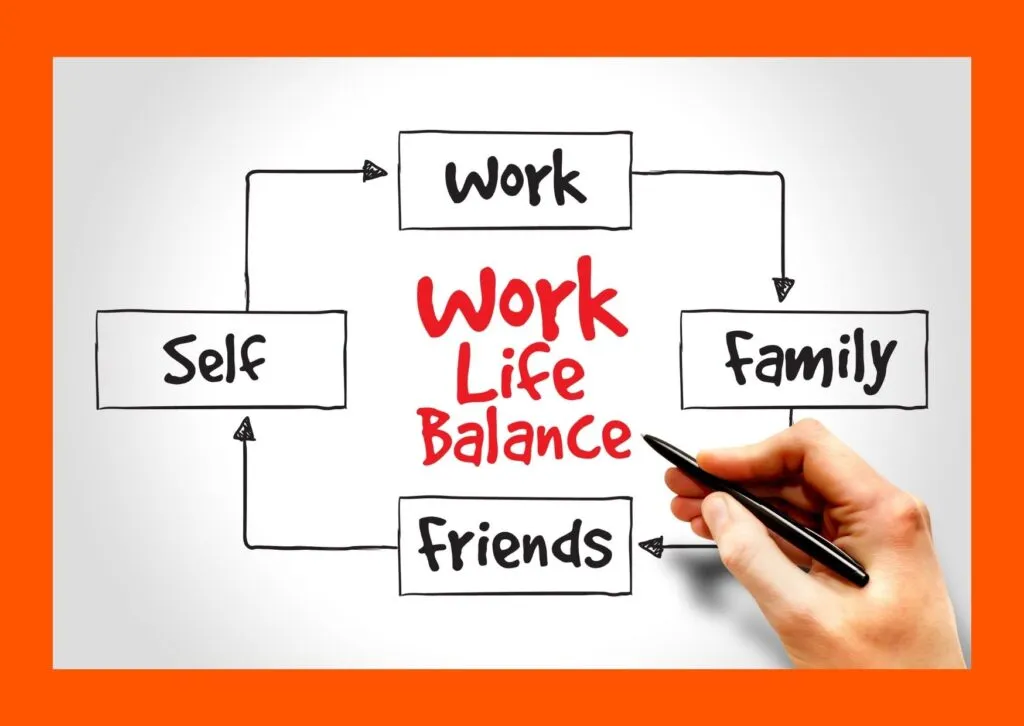
Balancing work, personal time, and social connections strengthens bonds with family and friends.
Happiness and Fulfillment
A holistic approach promotes joy, purpose, and a sense of accomplishment.
Daily Habits for Holistic Balance
Morning Routine
Start the day with exercise, mindfulness, and planning to set a positive tone.
Time Management
Prioritize tasks, use time-blocking, and avoid multitasking to maximize productivity.
Healthy Eating
Consume balanced meals, stay hydrated, and practice mindful eating.
Scheduled Breaks
Regular pauses reduce stress and maintain focus throughout the day.
Physical Wellness Practices
Regular Exercise
Cardio, strength training, and flexibility exercises support long-term health.
Adequate Sleep
7–9 hours per night is essential for energy, focus, and emotional regulation.
Routine Health Checkups
Monitor health indicators and address issues early for long-term well-being.
Mental and Emotional Wellness
Mindfulness and Meditation
Practice awareness and reflection to reduce stress and enhance clarity.
Journaling and Gratitude
Daily reflection fosters a positive mindset and emotional resilience.
Social Connection
Spend quality time with friends, family, and supportive communities.
Therapy and Counseling
Professional support helps navigate challenges and maintain mental health.
Productivity Without Burnout
Set Priorities
Focus on high-impact tasks and delegate or defer less important ones.
Batch Similar Tasks
Group activities like emails, calls, or creative work for efficiency.
Avoid Overcommitment
Learn to say no to protect your time and energy.
Embrace Flexibility
Adjust schedules when needed without guilt, maintaining balance and control.
Financial Balance
Budget and Save
Track income, reduce unnecessary spending, and invest wisely.
Plan for the Future
Set financial goals for emergencies, education, and retirement.
Mindful Spending
Prioritize experiences and essentials over impulsive purchases.
Personal Growth and Learning
Continuous Education
Read books, take courses, or learn new skills to expand knowledge.
Hobbies and Creativity
Engage in activities that inspire, challenge, and relax you.
Volunteering
Helping others enhances purpose and emotional satisfaction.
Digital and Social Wellness
Limit Screen Time
Avoid excessive social media or non-essential digital use.
Curate Online Content
Follow accounts and sources that inspire, educate, and motivate.
Digital Detox
Take breaks to reconnect with yourself, nature, and loved ones.
Integrating Balance into Life
Weekly Reviews
Reflect on accomplishments, challenges, and areas for improvement.
Adjust Routines
Adapt habits and schedules as life circumstances change.
Set Boundaries
Protect personal time, relationships, and mental space.
Celebrate Achievements
Acknowledge progress, no matter how small, to maintain motivation.
Common Mistakes in Pursuing Life Balance
- Neglecting Physical Health – Fitness, sleep, and nutrition are foundational.
- Overworking – Continuous work without breaks leads to burnout.
- Ignoring Mental Health – Stress, anxiety, and emotional neglect reduce quality of life.
- Multitasking Excessively – Splitting attention decreases productivity and focus.
- Perfectionism – Unrealistic expectations disrupt balance and satisfaction.
Conclusion: Achieve Balance, Live Fully
Holistic life balance is about nurturing body, mind, and spirit while maintaining productivity, relationships, and personal growth. By integrating healthy habits, mindfulness, effective time management, and emotional awareness, you can live a life that is productive, healthy, and deeply fulfilling.
Remember: balance isn’t a one-time achievement—it’s a continuous, flexible practice that grows with you over time.
FAQs
1. How do I start creating a balanced lifestyle?
Begin by evaluating your current routines, identifying gaps, and implementing small, consistent changes across health, productivity, and relationships.
2. Can balance really improve happiness?
Yes. Harmonizing work, personal life, and wellness reduces stress and increases fulfillment.
3. How can I maintain balance during busy periods?
Prioritize tasks, delegate when possible, schedule breaks, and practice mindfulness to stay centered.
4. What role does self-care play in balance?
Self-care supports emotional, physical, and mental health, forming the foundation of a balanced life.
5. How long does it take to achieve a balanced lifestyle?
Consistency is key. Small daily habits compound over weeks and months, creating sustainable balance over time.